
Get Crape Myrtle Pruning in Louisville, KY
Crape Myrtle Pruning services offered by local contractors in Louisville, KY help maintain tree health, improve appearance, prevent damage, and shape trees for safety and aesthetic appeal.
Crape Myrtle pruning is an important maintenance task that can enhance the health, appearance, and safety of your landscape. For property owners in Louisville, KY, properly caring for these vibrant trees can prevent overgrowth, remove dead or damaged branches, and promote better flowering in the seasons to come. If you're considering a project to shape or rejuvenate your Crape Myrtles, exploring local contractors with experience in pruning can help ensure the work is done effectively and safely.
Comparing options among nearby service providers allows property owners to find experienced professionals suited to their specific needs. Whether maintaining established landscapes or preparing for upcoming seasons, connecting with local contractors who understand the unique climate and landscape of Louisville can make a meaningful difference. Keep reading to learn more about how professional pruning services can support the health and beauty of your trees.
- Crape Myrtle Pruning - needed when overgrown or damaged branches affect the tree's health and appearance.
- Seasonal Pruning - recommended during late winter or early spring to promote healthy growth in Louisville neighborhoods.
- Storm Damage Cleanup - necessary after severe weather events to remove broken or hanging branches.
- Shape and Size Control - desired when trees become too large or unruly, impacting yard aesthetics or safety.
- Disease and Pest Management - required if signs of infection or infestation appear on Crape Myrtles in nearby residential areas.
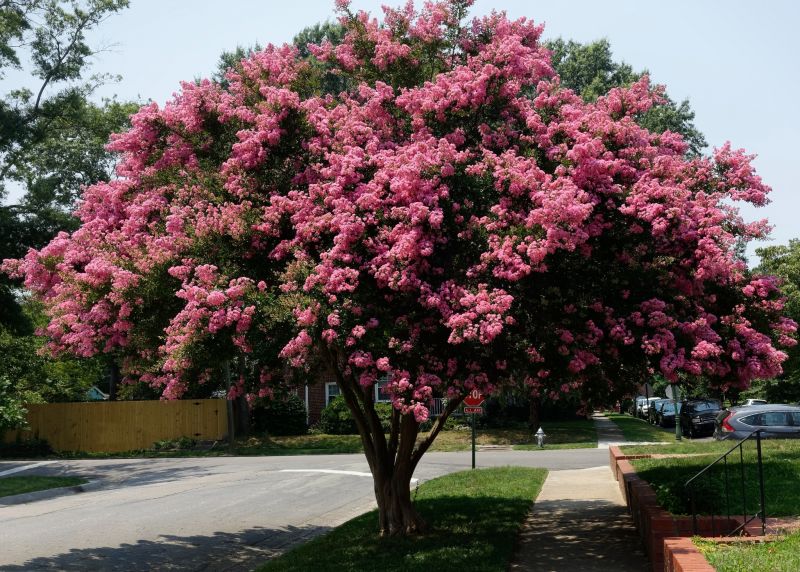
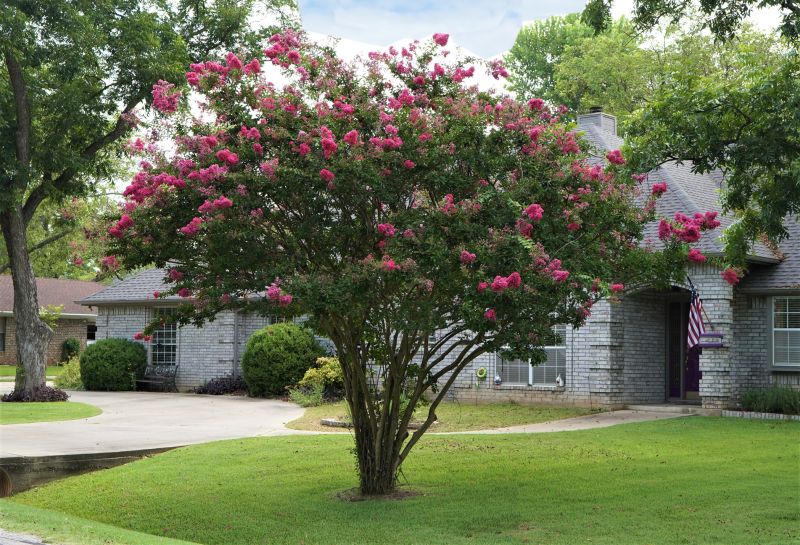
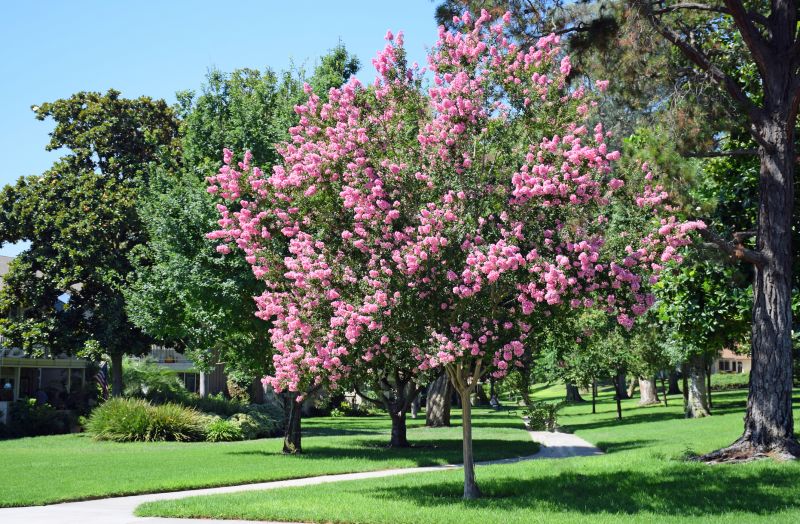
Crape Myrtle pruning services involve carefully trimming and shaping these decorative trees to promote healthy growth and maintain their attractive appearance. This work typically includes removing dead or damaged branches, thinning out dense areas, and shaping the canopy to ensure the tree develops a balanced structure. Proper pruning can also help prevent issues like limb breakage during storms and encourage more vibrant flowering. Service providers use specific techniques to ensure the tree’s health is preserved while enhancing its overall form, making it a key part of maintaining the beauty and longevity of Crape Myrtles on residential or commercial properties.
These pruning services are especially helpful for addressing common problems such as overgrown branches that obstruct walkways or power lines, and trees that have become too dense, reducing airflow and sunlight penetration. Without regular maintenance, Crape Myrtles can develop weak or crossing branches that may lead to breakage or disease. Pruning can also help control the size of the tree, preventing it from becoming too large for the space. By addressing these issues early, property owners can avoid costly repairs or replacements and keep their landscape looking tidy and healthy.
Many types of properties benefit from professional Crape Myrtle pruning, including suburban homes, apartment complexes, and commercial buildings. These trees are often chosen for their ornamental value and are planted along streets, driveways, or in gardens. Homeowners who want to ensure their landscape remains attractive and safe often seek pruning services to maintain the tree’s shape and health. Similarly, property managers and business owners look for local contractors to keep their grounds well-groomed, especially in areas with high foot traffic where appearance matters. Regular pruning helps preserve the aesthetic appeal and safety of these spaces.
Homeowners typically turn to Crape Myrtle pruning services when their trees become overgrown, lose their shape, or show signs of disease or damage. If branches are crossing or rubbing, or if the tree has become too tall or wide for its space, professional pruning can restore its natural form and health. Additionally, pruning is recommended after storms or harsh weather to remove broken or weakened limbs. For property owners in Louisville, KY, and surrounding areas, connecting with experienced local service providers ensures that their Crape Myrtles are properly cared for, helping to maintain a beautiful and safe landscape year-round.
The overview below groups typical Crape Myrtle Pruning projects into broad ranges so you can see how smaller, mid-sized, and larger jobs often compare in Louisville, KY.
In many markets, a large share of routine jobs stays in the lower and middle ranges, while only a smaller percentage of projects moves into the highest bands when the work is more complex or site conditions are harder than average.
Basic Pruning - Typical costs for routine trimming of crape myrtle trees range from $250 to $600 for many smaller jobs. Many local contractors handle these standard maintenance tasks within this range, which covers annual or bi-annual pruning. Fewer projects extend into higher tiers unless additional services are requested.
Moderate Shaping and Thinning - More detailed shaping, thinning, or removal of dead branches usually costs between $600 and $1,200. These projects often involve more time and skill, with many jobs falling into this middle range. Larger or more complex trees may push costs higher but remain less common.
Large or Multiple Trees - When pruning several mature crape myrtle trees or larger specimens, costs typically range from $1,200 to $2,500. Many service providers handle these projects within this band, though extensive or difficult access work can increase expenses.
Full Tree Removal or Major Renovation - Complete removal or extensive renovation of crape myrtle landscapes can cost $2,500 to $5,000 or more. Such large-scale projects are less frequent and often involve complex logistics, with some jobs exceeding this range depending on scope and site conditions.
Actual totals will depend on details like access to the work area, the scope of the project, and the materials selected, so use these as general starting points rather than exact figures.
Tree Trimming and Shaping - local contractors skilled in shaping and maintaining various ornamental trees, ensuring proper growth and aesthetic appeal similar to crape myrtle pruning.
Ornamental Shrub Pruning - professionals experienced in pruning decorative shrubs, which requires similar planning and tool use as crape myrtle pruning to promote healthy growth.
Landscape Maintenance - service providers who handle regular pruning and trimming tasks across diverse plantings, utilizing comparable skills and equipment.
Fruit Tree Pruning - local experts familiar with pruning techniques that improve fruit production and tree health, sharing methods used in crape myrtle care.
Hedge Trimming - contractors who shape and maintain hedges, requiring similar precision, tools, and planning as pruning flowering trees.
Plant Health Care Services - specialists who assess and prune plants to prevent disease and promote vitality, paralleling the pruning process for crape myrtles.
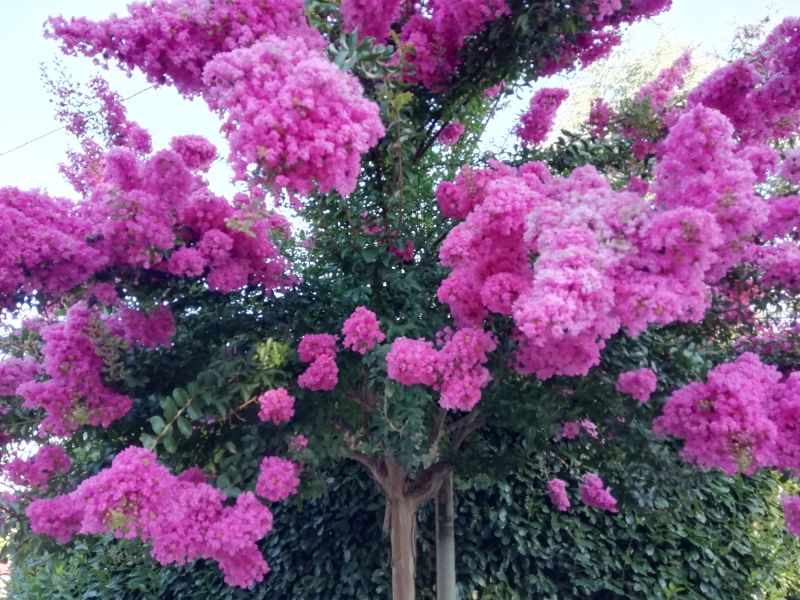
When selecting a professional for Crape Myrtle pruning services, it's important to consider their experience with similar projects. Homeowners should inquire about how long a contractor has been working with Crape Myrtles and whether they have a track record of successfully handling pruning tasks for trees of comparable size and type. An experienced service provider will understand the specific pruning techniques that promote healthy growth and maintain the tree’s aesthetic appeal, helping to ensure the job is done correctly and efficiently.
Clear, written expectations are essential when comparing local contractors. Homeowners should seek detailed descriptions of the services offered, including what the pruning will entail and any specific outcomes to be achieved. Having a written outline helps prevent misunderstandings and provides a reference point for what will be delivered. It’s also helpful to clarify any questions about the scope of work upfront, ensuring everyone is aligned before the project begins.
Reputable references and effective communication are key indicators of a reliable service provider. Homeowners should ask for references or reviews from previous clients who had similar work done, to gauge the quality of service and professionalism. Additionally, good communication-such as timely responses and clear explanations-can make the process smoother and more predictable. Remember, this site introduces homeowners to local contractors capable of handling Crape Myrtle pruning, but the actual work is performed by those service providers. Comparing these aspects helps ensure selecting a qualified, trustworthy professional suited to the specific needs of the project.
Property owners in Louisville, KY use Crape Myrtle Pruning services for practical projects around their homes and businesses. This guide focuses on everyday jobs and straightforward project options.
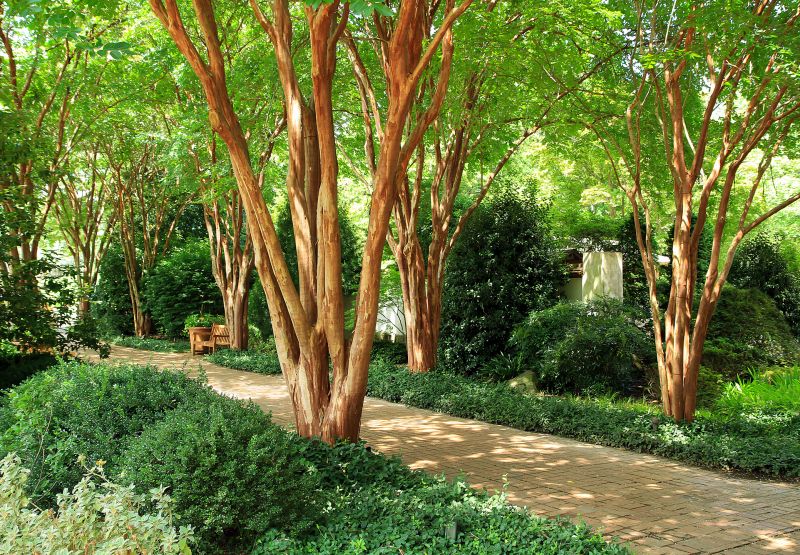

Crape Myrtle pruning services are often sought after by property owners in Louisville, KY, who want to maintain the health and appearance of their trees. Overgrown or misshapen crape myrtles can detract from the curb appeal of a home or business, making regular pruning an important part of landscape care. Local contractors can help ensure these trees stay vibrant and well-shaped, especially after harsh winter weather or during the growing season when trimming encourages better flowering and growth.
Additionally, property owners may look for pruning services to address safety concerns or prevent potential damage. Overgrown branches can pose risks to nearby structures, power lines, or pedestrians, particularly in busy neighborhoods or along walkways. Skilled service providers can handle these situations efficiently, helping to keep outdoor spaces safe and attractive while promoting healthy tree development.
Why is pruning crape myrtle important? Proper pruning helps maintain the health, shape, and flowering quality of crape myrtle trees, ensuring they grow strong and attractive in Louisville and nearby areas.
When is the best time to prune crape myrtle trees? The ideal time for pruning is during late winter or early spring before new growth begins, according to local horticultural practices.
What types of pruning do local contractors typically perform? They usually perform formative pruning to shape the tree, thinning to improve air circulation, and deadheading to promote flowering.
How can I tell if my crape myrtle needs pruning? Signs include overgrown or unruly branches, reduced flowering, or dead/diseased wood that needs removal for the tree’s health and appearance.
Are there any specific pruning techniques recommended for crape myrtles? Techniques such as thinning out crowded branches and cutting back to a healthy node are common practices used by local service providers.
Enhance Crape Myrtle health - Proper pruning helps maintain the tree’s vitality and encourages new growth for a fuller appearance.
Improve safety and clearance - Trimming can prevent branches from interfering with walkways, driveways, or power lines around the property.
Shape and improve curb appeal - Regular pruning allows property owners to maintain a neat, attractive landscape that complements their home.
Prepare for seasonal changes - Pruning before winter or spring can help the tree adapt and thrive through upcoming weather conditions.
If you are thinking about Crape Myrtle Pruning for a property in Louisville, KY, this guide is meant to help you understand the work, the typical project types, and how different options might fit your plans.
When you are ready, you can use the quote form on this page to share a few details about your project. From there, local pros can review the basics and respond with options that match what you have in mind.